Estates, trusts, and inherited property
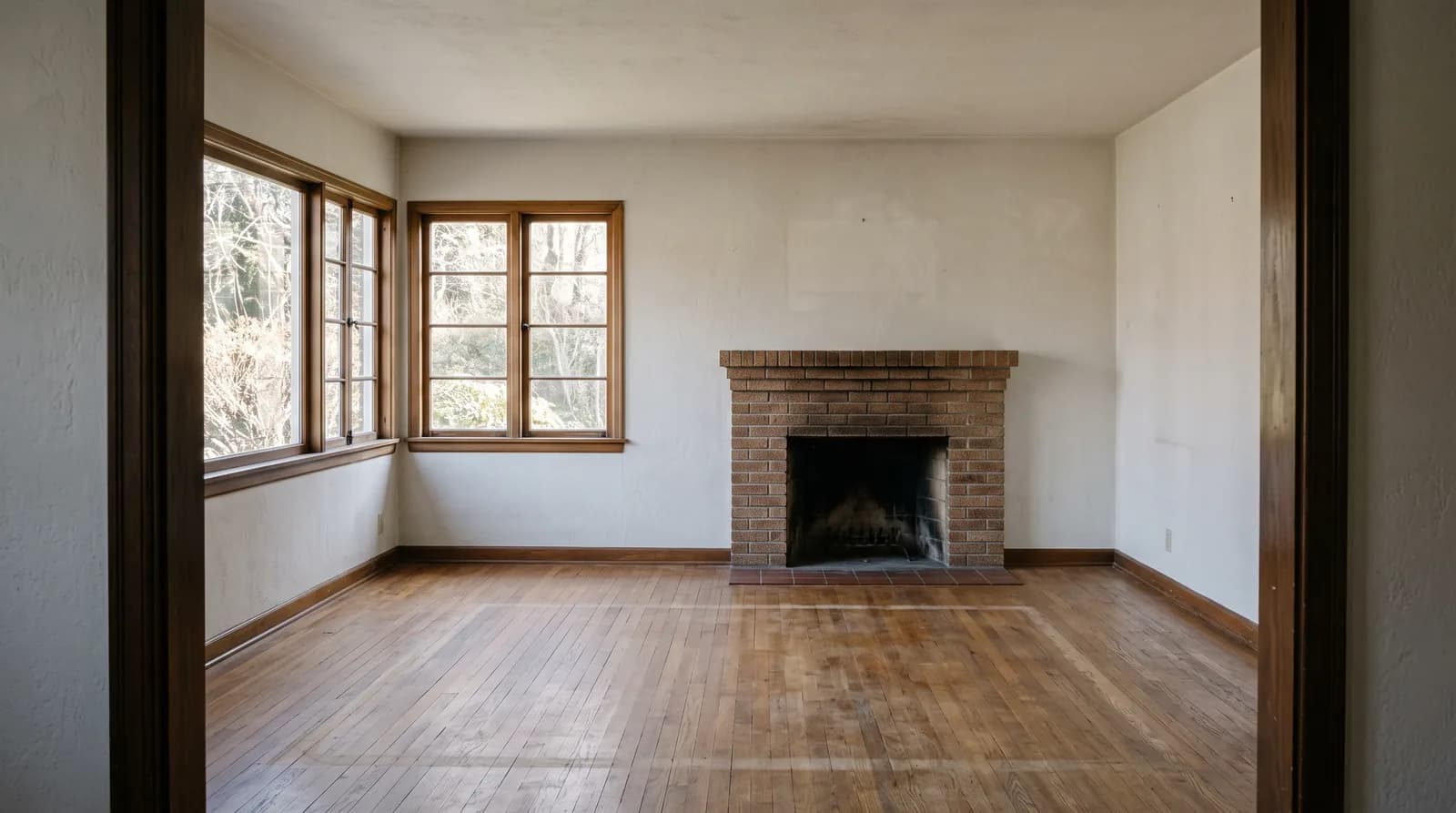
A house nobody lives in, and a clock nobody set.
An inherited house in an established neighborhood is usually the hardest kind to sell conventionally. It is often original condition, frequently in another state from whoever now owns it, sometimes split among several people who disagree, and carrying taxes, insurance, and utilities the whole time.
You do not need to empty it, clean it, repair it, or stage it. Take what matters to you and leave the rest where it sits.
Get an offer on the property
If it is held in an estate or a trust, say so — it changes who signs, and we would rather know at the start.
What is different about an estate sale
Three things that work in your favor, and one deadline that does not.
01
You likely owe no condition disclosure
In North Carolina, G.S. 47E-2 fully exempts a fiduciary transferring property in the administration of an estate, guardianship, conservatorship, or trust — no Residential Property Disclosure Statement at all. In California, court-ordered and probate sales are exempt from the Transfer Disclosure Statement. That does not erase the common-law duty to disclose material facts you actually know, so ask your attorney. But it does mean nobody expects you to warrant the condition of a house you never lived in.
02
The stepped-up basis is usually on your side
Inherited property generally receives a basis step-up to fair market value at the date of death, which for most heirs largely eliminates capital gains on a prompt sale. That is a conversation for your accountant, not for us — but it is the reason a sale now is often cleaner than a sale in five years.
03
Nobody has to agree on a repair budget
The thing that stalls inherited property is rarely the price. It is four people in three states trying to agree on whether to spend $60,000 getting the house ready. A purchase with no inspection and no repair list removes the entire argument.
04
In California, Proposition 19 runs a real clock
For parent-child transfers, an heir keeps any of the parent’s assessed value only by moving into the home as their own principal residence and filing for the homeowners’ exemption within one year of the transfer. Miss that and the property reassesses to market value permanently. Where the heirs live elsewhere, or several siblings share it and only one could move in, there is no way to keep the old basis at all. Confirm your own dates with a California attorney — the exclusion amount and the deadline both matter.
Practical
Who has to sign?
If the property is held in a trust, the trustee signs. If it is in probate, the personal representative or executor signs, and depending on the state and the letters issued, the sale may need court confirmation. If it passed to several heirs directly, every heir on title signs.
We will work out which of those applies from the recorded deed and the letters before we ask anyone to sign anything, and we do not ask you to pay for that. If the estate is not yet open, that is fine — tell us and we will tell you honestly whether it is worth starting the conversation now or waiting.
None of this is legal or tax advice, and we are not your attorney. Every estate should have its own.
Get an offer on the property
Two business days to a straight answer, either way.